Douglas T Kaiser

GNC, flight-test, and real-time controls engineer building the bridge from simulation to hardware to flight.

I develop control software, simulation infrastructure, and test systems for high-consequence aerospace and energy hardware. My work spans autonomous aircraft flight testing, spacecraft simulator certification, deterministic real-time C++ controls, HIL/SIL validation, and artificial-gravity spacecraft attitude-control studies.


Selected Aerospace & Controls Work

Real-Time Controls & HIL — Commonwealth Fusion Systems

  • Designed core components of Neutrino, an in-house real-time controls framework focused on determinism, cycle-time reliability, safety, and hardware integration.
  • Built UDP/IPC/TCP communications pathways for deterministic C++ real-time systems.
  • Developed HIL test stands, software-only testing systems, test framework infrastructure, and module-level unit testing workflows.
  • Built Tritium Injector control and test software and supported quench detection/protection through PF magnet testing.

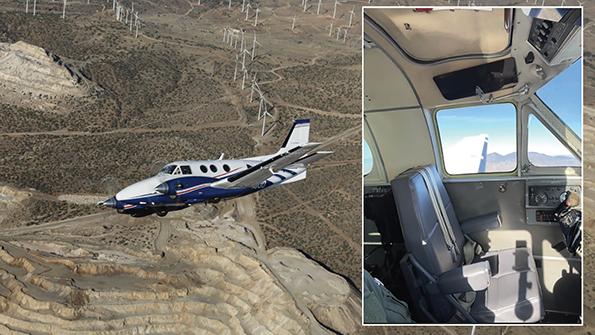
Flight Test & Flight Controls — Merlin Labs

  • Served as an onboard/backseat LongEZ flight-test engineer and actively tuned flight-control parameters during flight.
  • Accumulated the most flight hours at the company and contributed across CozE, LongEZ, and King Air flight-test campaigns.
  • Developed C/C++ and Python flight software in ROS for autonomous flight controls.
  • Created and used an online model-fit and tuning tool during flight-test operations.

Spacecraft Simulation — Draper / Dream Chaser

  • Wrote test and simulation code for the Dream Chaser flight software computer simulator.
  • Supported quality-control and certification workflows for simulator and software validation.
  • Built data-visualization dashboards for trade-space exploration and decision support.

Artificial Gravity & Attitude Control — Cornell CUGravity

  • Led ACS work and project management for an artificial-gravity CubeSat concept with a spinning/deployable architecture.
  • Ran CMG trade studies and developed 2-D/3-D dynamics models.
  • Built flight-code simulation infrastructure to evaluate attitude-control behavior.

Professional Experiences

Senior Real-Time Controls and Simulation Engineer

Commonwealth Fusion Systems

Currently working on turning Fusion Energy from science fiction to science fact.
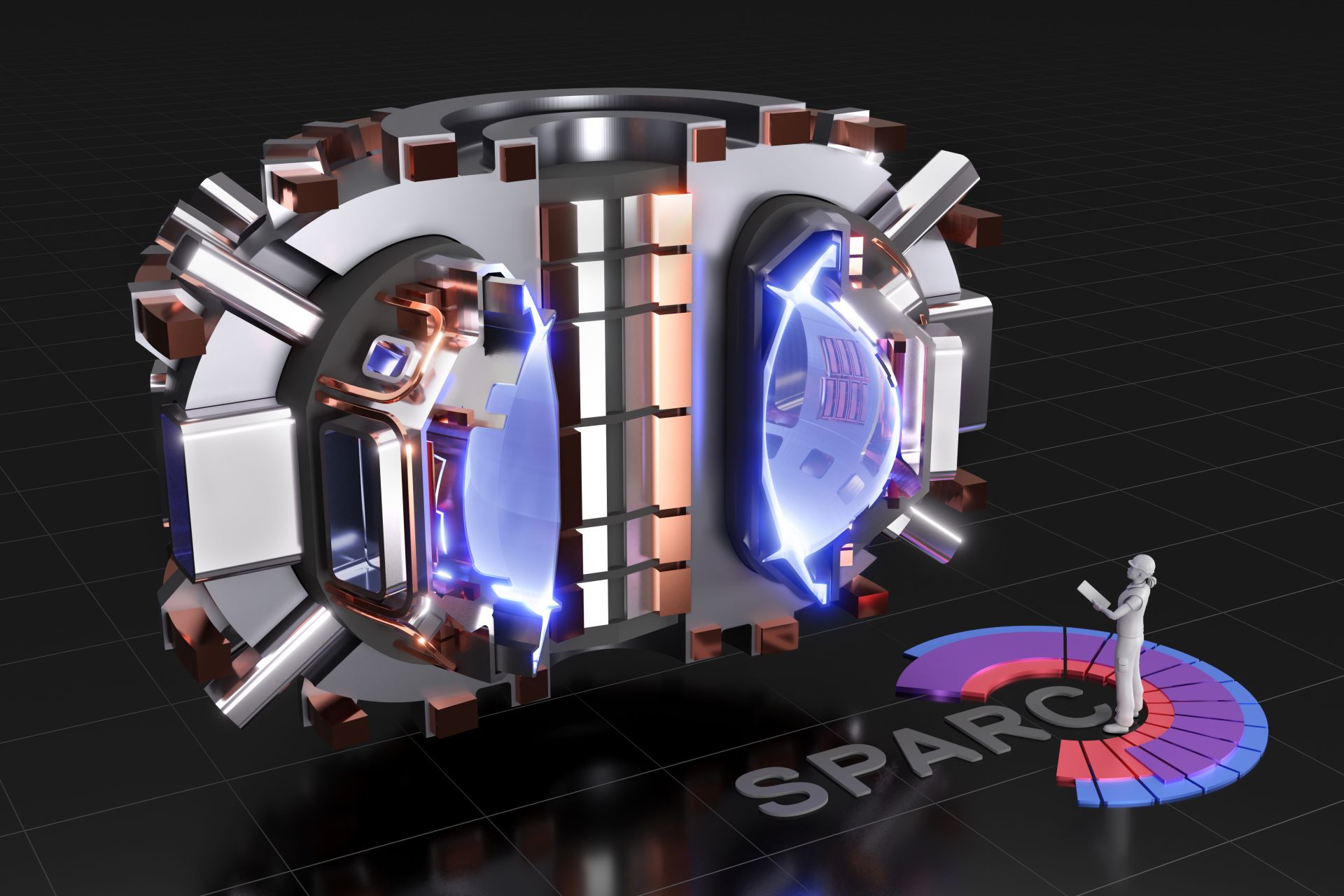
  • Led a cross-functional team in developing, testing, and deploying real-time control software for SPARC tokamak subsystems under rapid development timelines
  • Designed core components of Neutrino, a greenfield, in-house real-time controls framework, focused on determinism, safety, and hardware integration
  • Developed and tested PLC features for industrial subsystems using both on-device SCL and internal Python-based codegeneration tools
  • Validated magnet quench protection algorithms via full-stack simulation and experimental tests at MIT’s Plasma Science and Fusion Center using prototype cable-based high temperature superconducting magnets

  • SPARC tokamak rendering
    September 2022 - Present

    Real-Time Controls Engineer

    Merlin Aerospace
  • Designed and implemented Flight Software features for the autonomous system.
  • Operating in the ROS environment and coding in C/C++ and Python.
  • Led a project team under tight fast paced deadlines for code development and flight testing.
  • Designed and ran flight tests with pilots, both from the aircraft as well as ground support.
  • Developed and executed tuning pipeline for the flight control stack on a new airframe.
  • Created and utilized an on-line tuning tool to verify model fit mid-flight.

  • Merlin aircraft flight test
    November 2020 - August 2022

    Systems and Flight Software Engineer

    Draper Labs
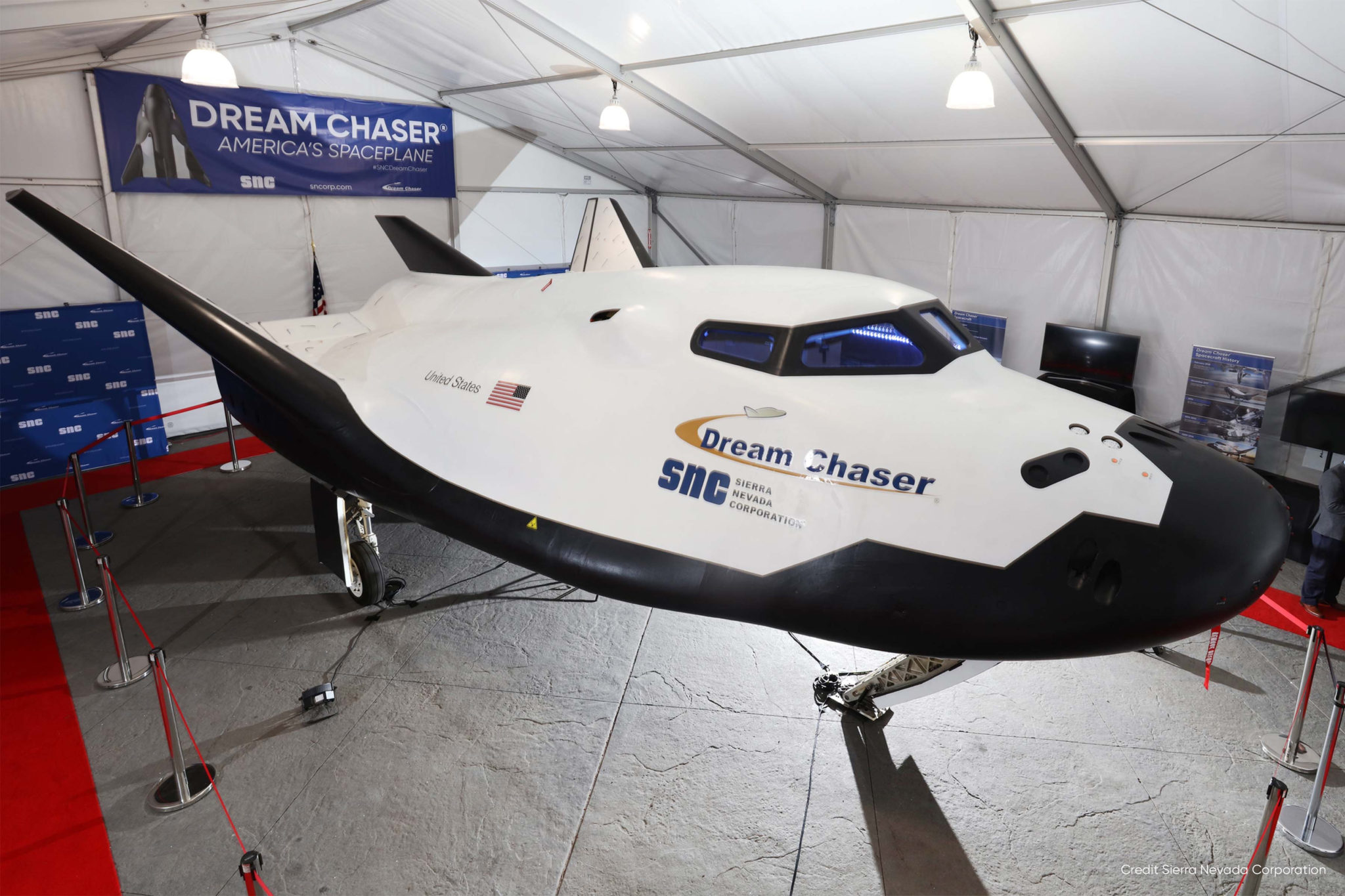
  • Wrote test and simulation code for quality control and certification of the Sierra Nevada Dream Chaser space plane flight software computer simulator.
  • Developed an interactive dashboard using Python's Dash to assist the customer in visualizing trade space exploration data points to understand the relationship between tunable design parameters and system level performance.
  • Researched and implemented a scoring metric to determine a design's closeness to optimality during a trade space analysis, allowing users to select acceptable levels of non-optimality and evaluate a design's performance across changing missions sets.

  • Dream Chaser spacecraft
    June 2019 - November 2020

    Controls and Flight Test Engineer

    Pivotal Aero (then Opener)
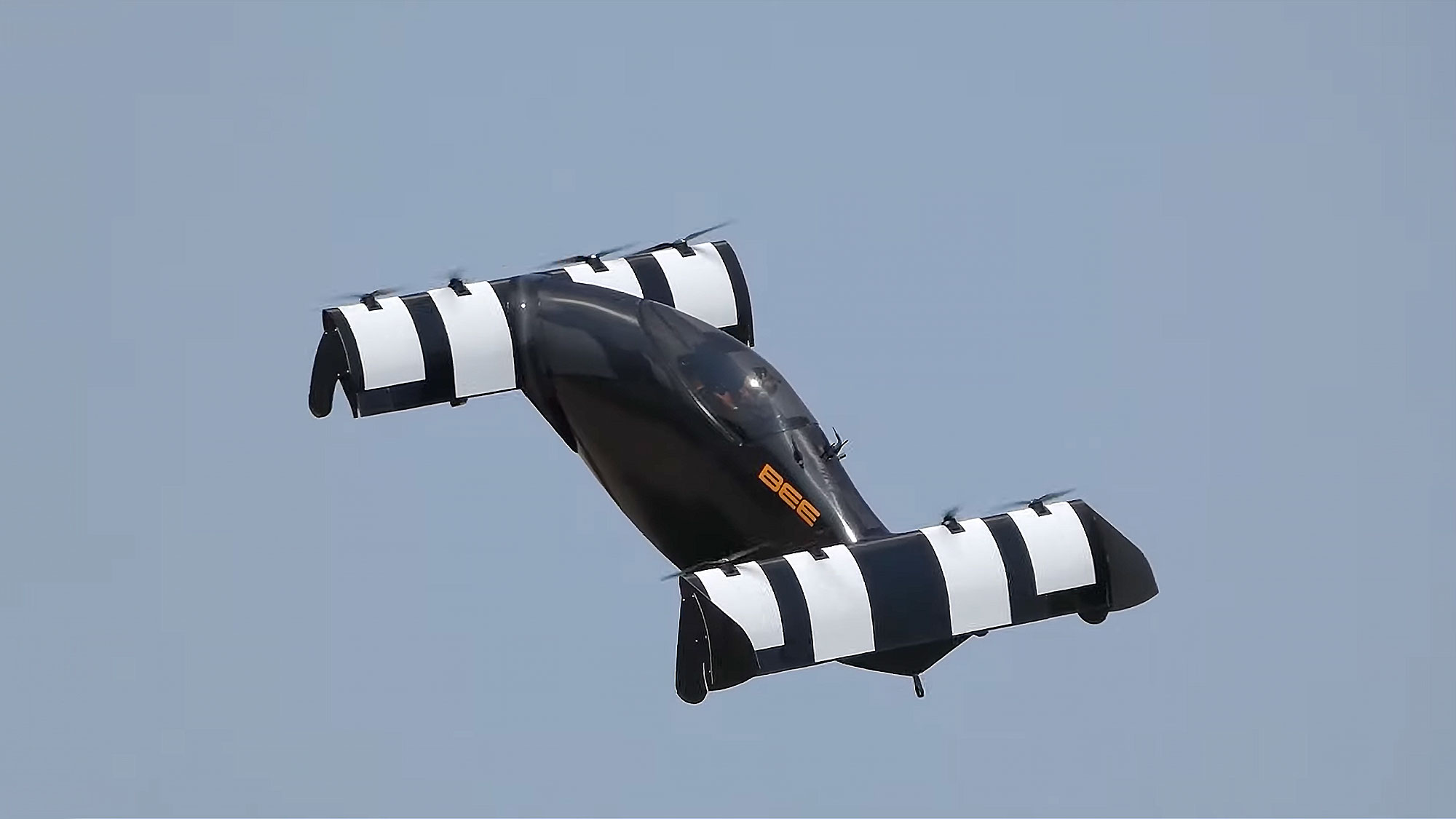
  • Designed, implemented, and tested control algorithms for autonomous and pilot controlled flight.
  • Improved and updated existing user interface for autonomous controls.
  • Wrote and modified firmware for interacting with and processing sensor data and communication routing.
  • Performed field testing and tuning of flight control changes including mechanical field repairs, in-flight control tuning, and fast iterating code modifications.
  • Led the full cycle from proposal through verification and validation on flight hardware across multiple projects.

  • BlackFly aircraft
    March 2017 - May 2019

    Engineering Analysis Intern

    ASML
  • Produced engineering analysis on network flow simulations
  • Upgraded large scale Simulink transient flow models
  • Upgraded 5 million node ANSYS model for accuracy and computational speed
  • Created MATLAB processes for compensating lens deformation
  • Wrote automation scripts for engineering analysis
  • August 2014 - January 2015 and June 2015 - August 2015

    Assistant Technician

    Sensata Technologies
  • Product testing and quality assurance
  • Worked alongside both technicians and engineers
  • Thermal and electrical fault testing on product prototypes
  • June 2012 - August 2012

    Education History

    Master of Engineering; Aerospace Engineering

    Cornell University; College of Engineering
  • GPA: 3.713
  • Concentration in Aerospace Controls

  • Project Manager and ACS Lead of the CUGravity Project Team

    CUGravity aimed to be the first successful demonstration of artificial gravity in space. A 3U configuration, the satellite will split into three sections in space and use magnetic torque coils to spin up to achieve and sustain Mars level gravity.
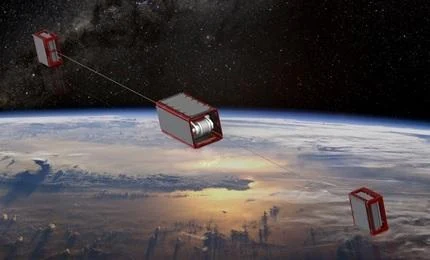
  • Conceived of project, Formulated initial design, Pitched to professors
  • Managed a team of 8 Master's students and 1 undergraduate, Interfaced with college administration, Found funding for project
  • Led the Attitude Control team; designed and built 2-D and 3-D dynamic models and full simulation of flight code

  • CUGravity concept rendering
    August 2016 - December 2016

    Lab Researcher and Technician

    Technion Aerospace Engineering

    Worked in Professor Tal Shima's lab testing novel guidance and navigation algorithms.

    June 2016 - August 2016

    Bachelor of Science; Mechanical Engineering

    Cornell University; College of Engineering
  • GPA: 3.416
  • Dean's List: Five Semesters

  • ACS Lead of the Violet Nanosat-06 Project Team

    Violet was designed to demonstrate rapid pointing or the ability to quickly change its orientation in space, a capability crucial for various satellite applications, including Earth observation, astronomical imaging, and responsive tasking for changing mission objectives. This high-agility feature allows satellites like Violet to capture images of multiple targets on Earth within a short timeframe, significantly enhancing the satellite's operational flexibility and efficiency.
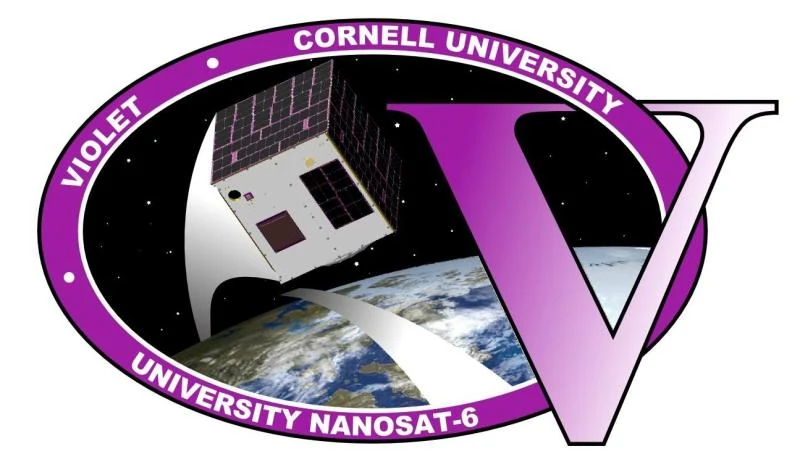
    Violet nanosatellite

    ACS Member of the CUSat Nanosat-04 Project Team

    The CUSat program was a student-led project that aimed to design, build, and launch a satellite as part of the University Nanosatellite Program, which is sponsored by the Air Force Research Laboratory. The mission involved using two satellites to inspect each other in space, providing valuable data on the condition and performance of satellites without requiring direct human intervention.

    It launched on a Falcon 9 in 2013.
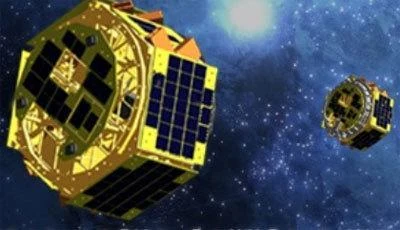
    CUSat nanosatellite
    August 2012 - May 2016

    The Wheeler High School

    Providence, RI
  • Cross Country Captain, 2 varsity letters
  • Film Club President
  • August 2008 - May 2012

    Skills Summary

    Engineering Skills
  • Flight software design and implementation
  • Project leadership
  • Flight test execution
  • Control algorithms for autonomous systems
  • Firmware modifications
  • User interfaces

  • Analytical Skills
  • Test and simulation code for quality control
  • Interactive dashboards for data visualization
  • Scoring metrics for design optimization

  • Programming Languages
  • C/C++
  • Python
  • Java
  • MATLAB/Simulink
  • VBA

  • Software & Tools
  • Mathwork's Simscape
  • ROS (Robot Operating System)
  • AGI’s STK (Systems Tool Kit)
  • Goddard’s CFE (Core Flight Executive)
  • ANSYS
  • Solidworks
  • Linux